Understanding the mechanics behind AC EV chargers is crucial for electric vehicle owners. When your charger stops working, it can cause frustration and anxiety. Knowing how to troubleshoot AC EV charging issues is essential for maintaining your charging system.
Common issues may arise from faulty connections or outdated hardware. A brief inspection can reveal loose cables. It's also important to check if the power supply is stable. Sometimes, the problem can be resolved with minor adjustments. However, if you notice persistent problems, it’s wise to consult a professional.
Staying informed about regular maintenance can help prevent future disruptions. It's essential to understand your charger’s indicators. Learning about its functions enhances your ability to solve problems effectively. Embracing these practices fosters a sense of control and knowledge.
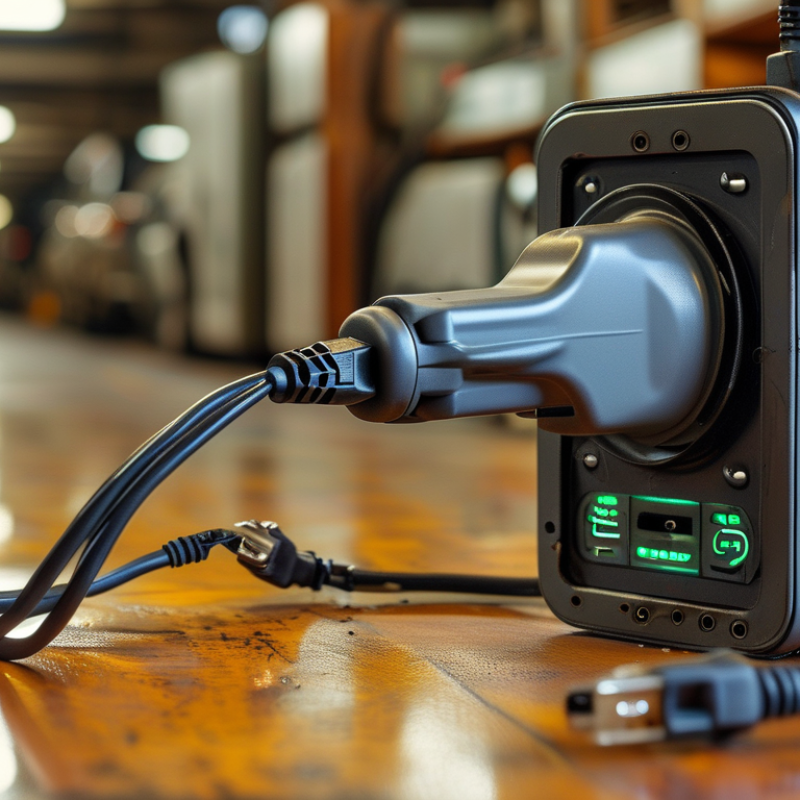
When it comes to AC EV chargers, various issues can hinder functionality. One common reason is inadequate electrical supply. According to the U.S. Department of Energy, many home installations lack the necessary circuit capacity. This can lead to reduced charging power or complete failure. Ensure your electrical system can support the charger’s requirements, especially if you have multiple appliances running concurrently.
Another frequent culprit is faulty connectors or cables. Over time, wear and tear can lead to poor connections. Studies indicate that nearly 30% of charging failures arise from damaged charging ports. Regular inspections of cables and adapters help maintain good contact and reduce risks. Inspect for corrosion or debris that obstructs connections as well.
Lastly, software glitches may cause intermittent charging issues. The Electric Power Research Institute estimates that over 15% of EV chargers suffer from communication errors. Restarting the charger or checking for software updates can often resolve these problems. Understanding these common issues can help users troubleshoot and maintain their AC EV charger effectively.
If your AC EV charger isn't working, follow these diagnostic steps to identify potential issues. Start by checking your charger’s power supply. Ensure that it is plugged in properly and the outlet is functioning. You may need a voltage tester to confirm that the outlet provides power.
Examine any error codes that your charger displays. Many models have built-in indicators that highlight specific problems. Refer to the user manual for interpretations of these codes. If the charger isn’t responsive, consider resetting it by unplugging and re-plugging after a brief wait.
It’s also crucial to inspect the charging cable for signs of wear or damage. Look for frayed edges or exposed wires. A compromised cable can lead to connection failures. Additionally, keeping your charger clean from dust and debris can help ensure optimal performance.
When troubleshooting, remember to check the vehicle’s charging port as well. A dirty or obstructed port can hinder the connection. Periodic maintenance of both the charger and your vehicle’s systems is beneficial. Regular checks may help prevent future issues. Pay attention to any unusual sounds or smells during charging; these can indicate deeper issues that may require further investigation.
| Issue | Possible Causes | Diagnostic Steps | Fixes |
|---|---|---|---|
| Charger Not Powering On | No power supply, blown fuse, faulty outlet | Check power supply, test outlet with another device | Replace fuse, repair or replace the outlet |
| Slow Charging | Low power connection, cable damage, vehicle settings | Inspect charging cable, check vehicle charge settings | Upgrade circuit, replace damaged cable |
| Overheating | Insufficient ventilation, prolonged use | Ensure proper airflow around charger | Allow charger to cool down, relocate charger if necessary |
| Error Messages | Software glitches, hardware issues | Refer to user manual for error codes | Reset charger, contact support if unresolved |
| Inconsistent Charging | Faulty connections, vehicle compatibility issues | Check all connections, review vehicle compatibility | Reconnect or replace charging components |
When your AC EV charger isn’t working, power supply issues are often the culprit. Check your circuit breaker to ensure it hasn’t tripped. A simple reset might bring your charger back online. Examine the outlet being used. If it shows signs of wear or damage, that could also disrupt power flow. Sometimes, the cable connection might seem secure but can be faulty.
Spending a few minutes on inspections can save time later. Look for any loose wires or burnt prongs. Often, environmental factors like moisture or dirt can affect connections too. Clean the area around your charger regularly.
Always ensure that the charger is compatible with your vehicle. Mismatched specifications can lead to malfunction. Testing the charger with a different vehicle can help identify the problem. Lastly, don’t forget about software updates. Frequent updates on charging stations can impact performance. Keep your system updated for optimal functioning.
To maintain your AC EV charger's performance, regular checks are essential. Begin with inspecting the charger and connectors for wear and tear. Cracks or exposed wires can lead to safety hazards. Dust and debris can impede functionality. Clean the charging station every few months. Use a soft cloth and avoid harsh chemicals. Keeping the charger clean ensures longevity.
Temperature can affect performance too. Extreme heat or cold may disrupt charging efficiency. Ensure the charging unit is in a shaded area or an insulated space. Monitor ambient conditions. If functionality decreases, consider relocating the charger.
Regular software updates are equally important. Many modern chargers come with firmware updates that enhance performance. Neglecting updates can lead to compatibility issues with newer vehicles. Stay informed about the latest updates from your charging hardware provider. Make it a habit to check for necessary updates, even if the device seems to function normally.
Lastly, user error can often be a culprit. Misalignment of connections may seem trivial but can cause charging failures. Make sure the connector is properly engaged. These practices can help you maintain your charger effectively. Reflection on your usage can lead to better management and fewer disruptions.
When dealing with an AC EV charger that isn't working, it’s crucial to identify when to seek professional help. Troubleshooting minor issues can often save time and resources. However, according to industry reports, around 20% of charger malfunctions stem from internal electrical problems. These should not be ignored as they can pose safety hazards.
If your charger has irregular behavior, it might be time to call an expert. Signs include frequent tripping, unusual noises, or overheating. These issues often indicate deeper problems that amateur fixes could exacerbate. A study from the Electric Vehicle Charging Association noted that nearly 30% of DIY repairs end up requiring additional professional intervention, resulting in higher costs.
Choosing a qualified technician can ensure a thorough evaluation. They can pinpoint specific issues such as wiring faults or software glitches. Recent data suggests that 45% of EV charger users do not seek professional help until the problem becomes critical. This reactive approach can lead to prolonged downtime and increased frustration. Understanding the need for timely interventions can lead to better overall experiences with electric vehicle charging.
C EV charger to fail?
Check the circuit breaker first. Ensure it hasn't tripped. Inspect the outlet for wear or damage too.
Moisture and dirt can disrupt connections. Clean the area around your charger regularly to maintain performance.
Ensure the charger specifications match your vehicle's requirements. Testing it with another vehicle can help identify issues.
Seek professional help if you notice irregular behavior, like frequent tripping or unusual noises. Don't ignore these signs.
Around 20% of charger malfunctions stem from internal electrical problems. These can pose safety hazards and should not be ignored.
Minor issues may be fixable. However, many repairs require professional intervention. DIY repairs can lead to higher costs if not done right.
Software updates can impact charger performance. Regular updates ensure optimal functioning and can solve occasional glitches.
Delaying help can lead to prolonged downtime and frustration. Critical issues may worsen without proper evaluation.
Regular inspections are essential, especially if you notice any changes in performance. Look for signs of wear or corrosion.
When encountering issues with your AC EV charger, it’s essential to know how to troubleshoot AC EV charging issues effectively. Common reasons for charger malfunction include power supply problems, faulty cables, or poor connections. By following diagnostic steps, you can identify the specific issues impacting your charger’s performance, such as checking circuit breakers or ensuring proper outlet functionality.
To resolve power supply problems, it's crucial to verify that your home electrical system is compatible with the charger specifications. Maintaining your AC EV charger involves regular checks and adhering to best practices like cleaning connections and avoiding overloading the circuit. However, if you’re unable to resolve the issues through these methods, it may be time to seek professional help for charger repair and service to ensure safe and efficient operation.
Walnut Charger