Choosing the right AC EV charger can significantly improve daily driving convenience. However, the best model is not always the fastest one. Charging performance depends on the vehicle’s onboard charger, available electrical capacity, cable quality, and installation conditions.
This guide explores How to reduce AC charging time for electric vehicles through practical, evidence-based methods. Many modern electric vehicles accept 7.4 kW, 11 kW, or 22 kW AC charging. Yet a 22 kW charger cannot deliver 22 kW if the vehicle supports only 7.4 kW. That mismatch often causes disappointment. Check the vehicle manual first.
A reliable charger should provide stable output, accurate temperature monitoring, and suitable protection systems. Certified components and professional installation also reduce heat losses and unexpected interruptions. In real installations, a short, correctly rated cable can perform better than an unnecessarily long cable. Small details matter.
Load management is equally important. A home charger may share power with ovens, heat pumps, or water heaters. Smart charging can shift sessions to quieter periods and prevent automatic power reduction. The result is usually more consistent charging, not magic.
Some drivers assume higher power always means shorter charging time. That is incomplete. Battery temperature, charging limits, and the final charging phase can slow progress. We should also admit that product comparisons are not always perfect. Testing conditions differ between homes, climates, and vehicles.
By examining charger power, installation quality, battery behavior, and real operating data, readers can make more confident purchasing decisions. The most effective solution is often balanced, safe, and properly matched.
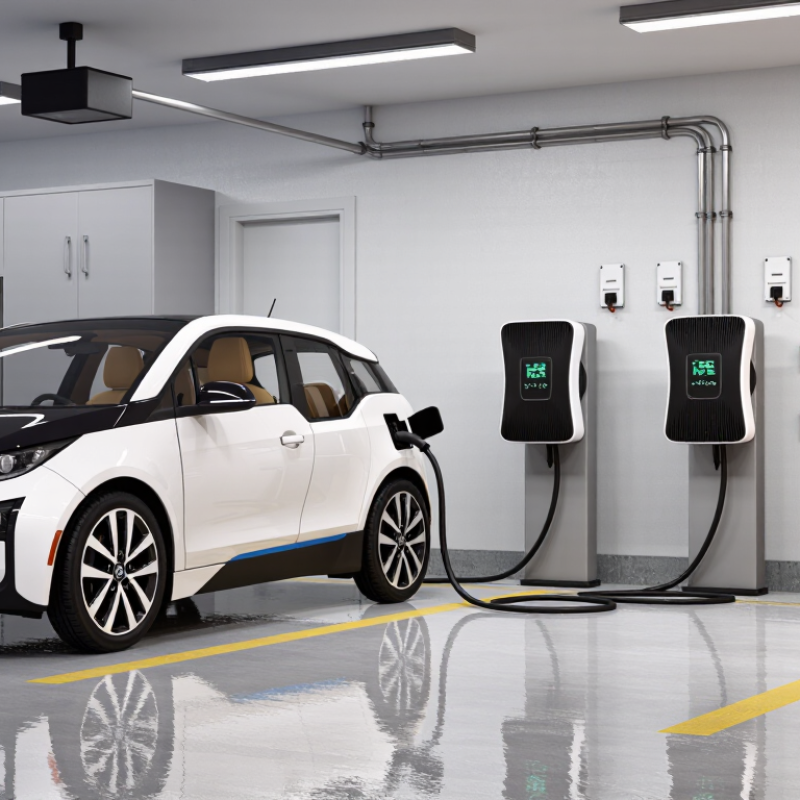
Choosing the right AC EV charger in China depends on battery size, parking time, and site capacity.
For a 60 kWh battery, charging from 10% to 80% needs about 42 kWh.
A 3.6 kW charger may require nearly 13 hours under ideal conditions.
A 7.4 kW unit needs about 6.4 hours.
An 11 kW charger can reduce this to roughly 4.2 hours, while 22 kW may take about 2.1 hours.
Real results are slower because of conversion losses, temperature, and battery charging limits.
The 3.6 kW option suits overnight home charging and older electrical systems.
The 7.4 kW level offers a practical balance for apartments and private parking spaces.
An 11 kW charger is more suitable for larger batteries and long daily driving.
However, 22 kW only helps when the vehicle supports three-phase AC charging.
Many vehicles accept less power, so installing 22 kW equipment may not reduce charging time.
The International Energy Agency reported over four million public charging points worldwide by the end of 2023.
This growth shows demand, but local grid capacity still matters.
My comparison is simplified, because actual charging curves vary widely.
Tips:
Check the vehicle’s onboard AC limit before buying.
Measure available current at the parking location.
Leave extra time below 20% and above 80%, where charging often slows.
A smart charger can schedule charging during lower-demand hours, but its savings depend on the electricity tariff.
A 32-amp circuit can deliver about 7.4 kW at 230 volts. Undersized cables increase voltage drop and heat. Long runs may reduce performance.
Loose terminals, excessive heat, or overloaded circuits can trigger protective devices. A shared household circuit may also cause interruptions. Small faults matter.
The electrician should assess current demand, cable length, installation method, temperature, and conduit conditions. They should also check earthing and insulation resistance.
No. A tidy appearance proves very little. Request testing records, measured voltage, protective-device details, and terminal torque checks.
No. Smart charging controls timing and power distribution. It cannot exceed the vehicle, charger, or electrical installation limits.
Set charging during quieter hours, such as 11 p.m. to 7 a.m. This can avoid evening demand and reduce interruptions from other appliances.
No. The vehicle may accept less power. Always check its charging limit before selecting equipment.
A 7 kW AC charger may need about nine hours, including charging losses. Actual time depends on the vehicle and site conditions.
It may suit regular commuting and shorten charging sessions. Longer journeys may require more energy. My assumption could fail without reviewing actual driving needs.
Monthly data can show whether schedules reduce costs and interruptions. Automation sometimes fails. Simple schedules may be easier to maintain.
Reducing AC charging time for electric vehicles starts with choosing the right charger output and understanding the vehicle’s onboard AC limit. In China, common options include 3.6, 7.4, 11, and 22 kW AC chargers, but a higher-rated charger will not provide faster charging if the vehicle cannot accept its full power. For example, a 60 kWh battery may require approximately 8.6 hours at a practical 7 kW charging rate, although actual time can vary because of charging losses and battery conditions.
How to reduce AC charging time for electric vehicles also depends on proper installation. Correct cable sizing, suitable electrical protection, and professional installation help maintain stable power delivery and prevent unnecessary delays. Smart charging can further improve efficiency by scheduling charging during off-peak grid hours, when electricity demand is lower and supply may be more stable. Together, these measures help users select an appropriate charger, shorten charging interruptions, and achieve safer, more efficient daily charging.

 Walnut Charger