As electric vehicle (EV) adoption continues to rise, homeowners increasingly seek ways to expand home charging setups. According to the International Energy Agency, global electric car registrations have doubled, reaching 10 million in 2022. This surge emphasizes the need for efficient and accessible charging solutions at home.
Expert Mark Smith, a leader in sustainable energy solutions, highlights the importance of home charging. He states, "Expanding your home charging setup not only supports sustainability but also enhances convenience." His insights reflect a growing trend among homeowners. Many are exploring options like Level 2 chargers and solar integration.
However, there are challenges. Not all homes are equipped for advanced charging systems. Retrofitting older properties can be complicated and costly. Homeowners must weigh costs against benefits. Assessing their individual energy needs is critical. Balancing this with safety and compatibility standards creates a nuanced landscape for EV enthusiasts. This guide delves into practical strategies and considerations for effectively expanding home charging setups.
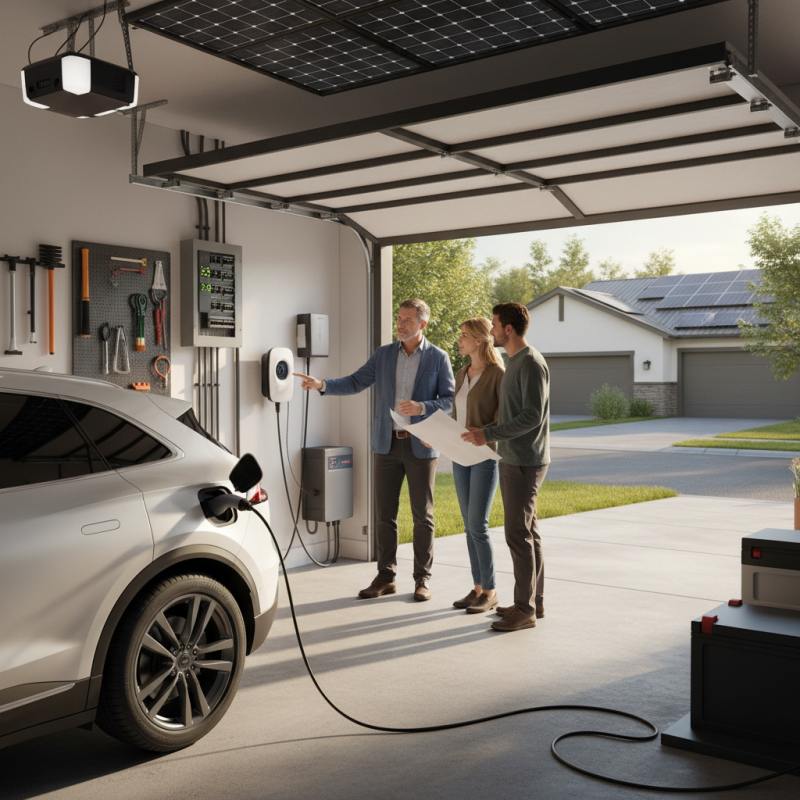
Assessing Current Home Charging Infrastructure for Electric Vehicles
Assessing your current home charging infrastructure is crucial for electric vehicle (EV) owners. As EV adoption continues to grow, reports suggest that over 8 million electric cars were sold globally in 2022. This increase creates a need for effective charging solutions at home. An inadequate charging setup can hamper the convenience of owning an EV.
Many homeowners may have standard 120V outlets, which may not meet the demands of modern electric vehicles. A Level 2 charger, delivering up to 240V, significantly reduces charging time. According to industry reports, a Level 2 charger can fully charge most EVs in about 4-8 hours, depending on battery size.
Tips: Consider your driving habits and daily range. This analysis helps determine your needed charging capacity. Evaluate your home's electrical system. You may need home upgrades if it's inadequate. Reassessing and upgrading your setup can enhance your experience and relieve charging frustrations. Ensuring that you have reliable access to charging can elevate the practicality of EV ownership significantly.
Identifying the Power Needs for Multiple EVs at Home
Expanding home charging setups for electric vehicles (EVs)
requires careful consideration of power needs.
Assessing the total power demand is crucial when multiple EVs are involved. Each vehicle may require a different charging speed. For example,
Level 1 chargers typically draw about 1.4 kW, while
Level 2 chargers can range from 3.3 kW to 19.2 kW.
This variance can significantly impact your home's electrical load.
Homeowners should examine their existing electrical infrastructure.
Circuit capacity can often be a bottleneck.
Many homes may have outdated wiring or insufficient amperage for high-demand appliances.
Evaluating your current setup, including main panel capacity, is vital.
Consulting with a licensed electrician can provide insights into upgrades needed for optimal performance.
It's also wise to plan for future needs. More households are considering electric vehicles. The demand will only increase in the coming years.
Installing a more robust electrical system now can save time and money later.
Balancing current needs with future growth is a challenge. However, a proactive approach ensures that your home is ready for whatever comes next.
Exploring Different Charging Options and Technologies
As electric vehicle (EV) adoption rises, home charging solutions are evolving. A recent study showed that over 70% of EV owners prefer charging at home. This preference significantly drives demand for diverse charging options.
Level 1 chargers are common in many households. They use standard 120-volt outlets. However, they provide a slow charge, typically adding only
4 to 5 miles of range per hour. In contrast, Level 2 chargers, which operate at 240 volts, deliver a faster charge, adding
20 to 30 miles of range per hour. Many homeowners are installing these systems due to their efficiency.
Another technology gaining traction is
DC fast charging. Although primarily seen in commercial settings, residential options are emerging. Some studies indicate that with advancements, home DC chargers could become feasible. Still, compatibility and installation costs present challenges. Explore various technologies and assess which aligns best with your lifestyle. Investing in the right charging option could future-proof your home and enhance your EV experience.
Implementing Safety Measures for Expanded Charging Setups
When expanding home charging setups for electric vehicles, safety measures are crucial.
A recent study by the U.S. Department of Energy highlights that improper installation can lead to electrical hazards. Installing charging units without following safety codes may cause overheating or even electrical fires.
Routine inspections are essential, as they can reveal wear and tear on equipment. The National Fire Protection Association reported that faulty wiring in electric vehicle charging systems is a significant risk. Homeowners should also consider using circuit breakers to prevent overload. These devices ensure that if there's an electrical fault, the power shuts off quickly.
Moreover, accessibility and convenience play crucial roles. Identifying a proper location for the charging station is vital. Charging locations should be away from flammable materials. This may seem simple, but neglecting details can lead to risks. Education and awareness about safety protocols can further protect users. Expanding home charging capabilities demands both attention to detail and an understanding of electrical safety.
Finding Incentives and Support for Home EV Charging Expansion
Home charging setups for electric vehicles (EVs) are becoming more essential as the adoption of EVs accelerates. To facilitate this transition, exploring available incentives for expanding home charging infrastructure is crucial. Many homeowners are unaware of the incentives that exist to support these installations. According to the U.S. Department of Energy, federal tax credits may cover up to 30% of the cost for installing EV charging stations. This can significantly reduce initial expenses, making it more feasible for individuals to invest in home charging solutions.
In addition to federal incentives, numerous state and local programs also offer support. For example, California's Clean Vehicle Rebate Project can provide significant rebates for both EV purchases and home charging installations. This kind of financial support encourages more homeowners to consider the benefits of a home charging station. However, even with these incentives, some homeowners may hesitate due to the upfront costs or the complexities involved in the installation process. It's essential to evaluate your own situation and local options. Inadequate research might lead to missing out on valuable savings.
Many utility companies are also stepping in to assist. They frequently offer reduced rates for home charging during off-peak hours. Some even provide rebates for the installation of Level 2 chargers. However, the availability and extent of these programs can vary widely by region. Therefore, homeowners must remain proactive in seeking the right resources. Engagement with local utility providers can uncover potential assistance, yet navigating these options can be challenging for many.
FAQS
: Each EV may need different charging speeds, impacting total power demand. Level 1 chargers usually draw 1.4 kW, while Level 2 chargers range from 3.3 kW to 19.2 kW.
Outdated wiring or low amperage may not support multiple high-demand appliances. Evaluating the main panel capacity is crucial for optimal performance.
Installing a more robust electrical system now can save time and expenses later. Planning for future EV adoption is wise for home readiness.
Level 1 chargers are common but slow. Level 2 chargers offer faster charging, providing 20 to 30 miles of range per hour.
Yes, improper installation can lead to hazards. Routine inspections and using circuit breakers can help prevent overheating or electrical fires.
Routine inspections are essential to reveal wear and tear. This can significantly reduce risks associated with faulty wiring or equipment.
Charging stations should be away from flammable materials and easily accessible. Overlooking this detail can result in serious safety issues.
Although it's gaining popularity, compatibility and installation costs can be barriers for homeowners considering this option.
Awareness of safety protocols helps to protect users from potential electrical hazards. Education is key to safe home charging setups.
Conclusion
Expanding home charging setups for electric vehicles (EVs) is crucial for accommodating multiple vehicles and enhancing convenience. To effectively do this, homeowners should begin by assessing their current charging infrastructure to determine its capacity. This involves identifying the power needs for multiple EVs, which may require upgrading electrical systems to support increased loads.
Exploring various charging options and technologies is vital, as different solutions can cater to specific requirements and budgets. Implementing safety measures during this expansion is equally important to prevent any hazards associated with increased power demands. Additionally, homeowners should seek out available incentives and support that can assist in the financing and installation of expanded charging setups. By addressing these components, individuals can explore how to expand home charging setups and better support the transition to electric mobility.

 Walnut Charger