Top 10 Ways to Future Proof Home AC Charging Systems?

Time:2026-07-03 Author:Ethan
0%

As electric vehicles (EVs) gain popularity, homeowners are increasingly considering how to future-proof home AC charging systems. Understanding how to future-proof home AC charging systems is essential for optimizing convenience and efficiency. Deciding on the proper installation can be challenging, given the rapidly evolving technology. The possibilities seem endless, but some solutions stand out.

Investing in adaptable charging stations ensures compatibility with future EV models. Selecting a unit with upgradeable software can also enhance longevity. Additionally, considering aspects like electrical infrastructure, safety standards, and energy efficiency helps create a robust system. Yet, oversights such as underestimating power needs can lead to costly adjustments later.

When thinking about charging solutions, anticipate your long-term goals. Will your household expand? Is there a potential for more electric vehicles? Reflecting on these questions can guide choices today. A proactive approach may save you from regrets in the future. Balancing immediate requirements with future capabilities is not always straightforward. But it is crucial for enjoying seamless EV ownership.
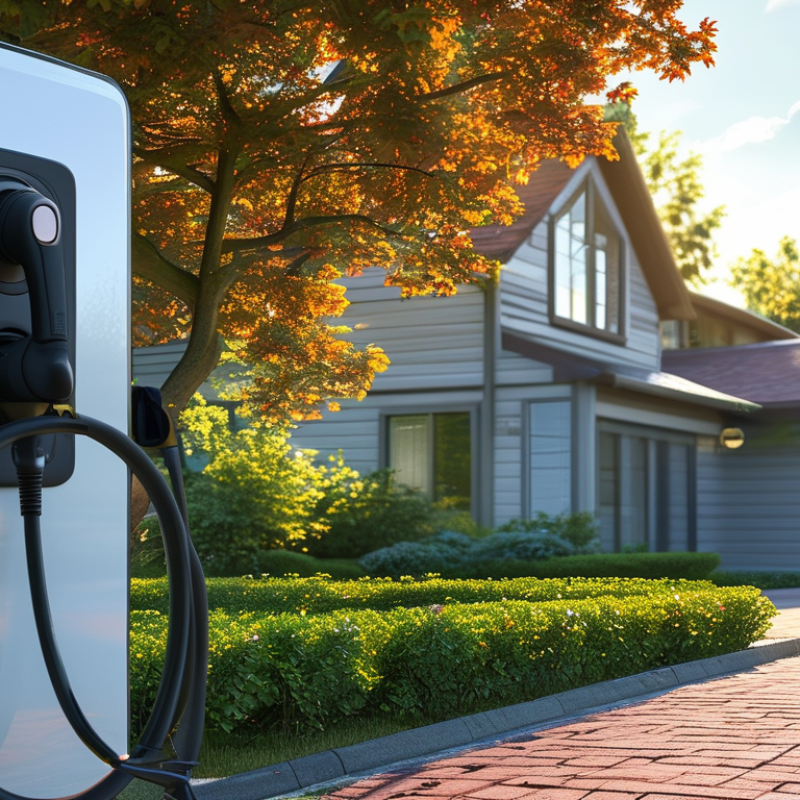
Top 10 Ways to Future Proof Home AC Charging Systems?

Selecting the Right Electric Vehicle Charging Standard for Your Home

When considering electric vehicle (EV) charging options for your home, choosing the right charging standard is crucial. The two prevalent standards are Level 1 and Level 2 charging. Level 1, using a standard 120V outlet, is convenient but slow. Typically, it delivers about 4-5 miles of range per hour. In contrast, Level 2 charging utilizes a 240V outlet and can provide 25-30 miles of range per hour, making it the preferred choice for most homeowners.

Tip: Assess your daily driving needs. If you travel long distances regularly, a Level 2 charger minimizes downtime, ensuring your vehicle is ready when you are. According to reports from the U.S. Department of Energy, roughly 80% of EV owners charge at home. Choosing the right standard can greatly impact your charging experience.

Standards may change as technology evolves. For instance, the Combined Charging System (CCS) and CHAdeMO are becoming more popular. Staying informed about emerging technologies can future-proof your home charging setup. Industry data shows that tech advancements could double charging speed within the next decade. It’s vital to reevaluate your charging needs periodically, especially if more electric vehicles become prevalent in your household.

Tip: Engage with local EV groups for updates on standards and technologies. This community can provide valuable insights based on real-world experiences.

Assessing the Electrical Capacity of Your Home for Future Needs

Assessing the electrical capacity of your home is crucial in future-proofing your AC charging system. Begin with a detailed inspection of your current electrical setup. Check the circuit breaker panel and note the total amperage. Your home may need a service upgrade if it falls below 200 amps for future electric vehicle demands.

Identify appliances that consume significant power. Refrigerators, HVAC systems, and electric water heaters can drain capacity. Ensure these appliances do not exceed your home's limits. You may need a licensed electrician to evaluate and recommend enhancements. This proactive approach can prevent overloading and expensive repairs.

Finally, inspect the wiring quality. Old or frayed wires can cause inefficiencies. Consider the age and condition of wiring throughout your home. Regular maintenance is essential, even if everything seems fine. Faulty wiring can lead to hazards and limit your charging capacities. Overall, aim for an electrical layout that can handle both current and future needs.

Incorporating Smart Charging Solutions and Technologies

The future of home AC charging systems is increasingly intertwined with smart charging solutions. Advanced technologies can help optimize energy consumption and reduce costs. According to a report by the International Energy Agency (IEA), smart charging can reduce overall energy use by 30% during peak hours. This represents a significant opportunity for homeowners looking to save on electricity bills.


Incorporating technologies such as vehicle-to-grid systems (V2G) allows electric vehicles to return energy to the grid. A recent study from the Electric Power Research Institute noted that V2G integration can enhance grid stability and provide financial incentives for homeowners. However, this system is not without challenges. Many people remain unaware of the benefits, and infrastructure updates can be costly.


Moreover, adopting renewable energy sources into smart charging systems is gaining traction. Adding solar panels can power AC charging stations more efficiently. Yet, initial installation costs can deter many homeowners. There is often little understanding of the long-term savings achieved by such an investment. Balancing immediate costs with future benefits is a critical consideration for many. As the industry evolves, raising awareness and addressing financial barriers will be crucial for broad adoption.

Planning for Grid Integration and Renewable Energy Sources

As we shift toward renewable energy, integrating solar power and wind energy into home AC charging systems becomes crucial. Homeowners should consider installing intelligent chargers that can adapt to energy availability. These systems can optimize charging times based on the grid’s renewable energy input, reducing reliance on fossil fuels.

Moreover, investing in energy storage solutions can enhance the efficiency of home charging setups. Batteries that store excess energy from solar panels allow users to charge their vehicles during off-peak hours. This strategy not only saves on energy costs but also minimizes strain on the grid during peak demand times. However, these systems can be expensive and may require careful planning. Household energy management could become complex, and understanding your energy usage is vital.

Future-proofing should also consider the evolving electric vehicle landscape. As battery technology advances, the charging needs may change. Being adaptable is key. Homeowners might need to reevaluate their systems periodically to ensure compatibility with new technologies. Simple DIY upgrades can be beneficial, yet they require technical knowledge. Balancing ambition with practicality will yield the best results as we move forward.

Top 10 Ways to Future Proof Home AC Charging Systems

Ensuring Safety and Compliance with Local Regulations and Codes

When installing home AC charging systems, safety is paramount. The electrical components must comply with local regulations. This includes using certified equipment and following installation codes. A professional electrician can ensure that all systems meet these standards. They can help navigate the often complex local requirements. Not adhering can lead to dangerous situations and costly fines.

Regular inspections are essential. Maintenance ensures that the systems remain compliant over time. Charging stations should be checked for wear and tear. Potential hazards like exposed wires must be addressed immediately. Documentation of compliance is also crucial. This provides proof if local authorities conduct inspections.

Consider future technologies as well. As EV charging evolves, systems must adapt. Some features might become outdated quickly. Planning for upgrades now can save time later. Gathering expert opinions on emerging technologies can help make informed choices. Emphasizing safety and compliance today sets the foundation for a secure operation tomorrow.

Top 10 Ways to Future Proof Home AC Charging Systems

# Strategy Description Safety Compliance Local Regulations
1 Upgrade Electrical Panel Ensure it can handle additional load from EV charging. Follow NEC (National Electrical Code) standards. Check local utility regulations for upgrades.
2 Install Smart Chargers Allows for monitoring and control via mobile apps. Ensure compliance with energy efficiency ratings. Verify connectivity with local grid management.
3 Choose Level 2 Chargers Faster charging solutions compared to Level 1. Must meet UL safety standards. Ensure they meet local electrical codes.
4 Conduct Load Analysis Evaluate current and future energy needs. Align with state energy efficiency programs. Review local energy consumption regulations.
5 Plan for Grid Connectivity Prepare for future smart grid integration. Follow grid interconnection standards. Check local grid infrastructure support.
6 Implement Circuit Breakers Use breakers designed for EV charging circuits. Ensure compliance with NEC guidelines. Adhere to local building codes related to electrical safety.
7 Regular Maintenance Checks Schedule periodic inspections of the system. Follow manufacturer's maintenance recommendations. Check local laws on maintenance standards.
8 Educate Users Inform family members about charging safety. Promote awareness of electrical safety practices. Ensure understanding of local regulations.
9 Invest in Backup Systems Consider battery storage systems for outages. Safeguard against grid failure issues. Confirm with local codes on battery storage.
10 Stay Informed on Technology Follow trends in EV charging technology. Ensure compliance with evolving standards. Adapt to changes in local regulations.

FAQS

: How can I assess my home's electrical capacity?

: Start with an inspection of your circuit breaker panel. Check if the total amperage is below 200 amps.

What appliances should I monitor for power consumption?

Monitor refrigerators, HVAC systems, and electric water heaters. They can significantly drain your home's electrical capacity.

Do I need a professional for electrical system evaluations?

Yes, a licensed electrician can assess your system. They will recommend necessary upgrades to prevent overloads.

Why is wiring quality important for electric vehicle charging?

Old or frayed wires can cause inefficiencies and hazards. Regular maintenance ensures safe and efficient charging capabilities.

How can I integrate renewable energy into my charging system?

Consider installing intelligent chargers that adapt to energy availability. These chargers optimize charging times with renewable sources.

What role does energy storage play in home charging setups?

Batteries can store excess energy for charging during off-peak hours. This reduces costs and minimizes grid strain.

Why should I regularly inspect my charging system?

Regular checks help maintain compliance with regulations. Addressing potential hazards early can prevent dangerous situations.

How should I prepare for evolving electric vehicle technologies?

Periodically reevaluate your charging system for compatibility. Simple upgrades may be needed as technologies advance over time.

What is critical when installing AC charging systems?

Safety and compliance with local regulations are crucial. Use certified equipment and follow proper installation codes.

How can I stay informed about emerging charging technologies?

Gather expert opinions and research new features. Planning for future upgrades can enhance your charging system's efficiency.

Conclusion

In recent years, the demand for electric vehicle (EV) charging solutions has surged, prompting homeowners to seek ways on how to future-proof home AC charging systems. One essential step is selecting the right electric vehicle charging standard, which ensures compatibility with a variety of EV models and keeps pace with technological advancements. Additionally, assessing the electrical capacity of one’s home is crucial for accommodating future charging needs, particularly as more energy-efficient appliances are introduced.

Incorporating smart charging technologies can enhance user convenience and energy management. Planning for grid integration and renewable energy sources also plays a significant role in creating a sustainable charging environment. Lastly, ensuring compliance with local safety regulations and codes not only protects the homeowner but also promotes wider acceptance of EV charging solutions. Implementing these strategies will enable homeowners to effectively future-proof their AC charging systems, creating a resilient foundation for upcoming electric mobility demands.

Ethan

Ethan

Ethan is a seasoned marketing professional with a deep expertise in our company's innovative product line. With a passion for sharing knowledge and insights, he takes the lead in regularly updating our corporate blog, where he explores industry trends, product features, and effective marketing......