Top 10 Tips for Integrating AC Charging Software with Mobile Apps?

Time:2026-07-07 Author:Liam
0%

Integrating AC charging software with mobile apps presents a unique challenge. As electric vehicles gain popularity, efficiency becomes essential. A seamless connection between charging software and mobile applications can enhance user experience and operational efficiency. Understanding how to integrate AC charging software with mobile apps requires expertise and consideration of various factors.

To successfully implement this integration, one must consider user interface design and data management. The connection should allow users to locate charging stations easily, monitor charging progress, and manage payments. However, developing this integration is not without hurdles. Developers must ensure reliability and address potential bugs that could disrupt service.

Another aspect to reflect upon is data security. Given the sensitive nature of payment information, robust security measures are critical. This integration can empower users, but it also demands accountability from developers. Continuing to evolve and improve the integration process will ultimately lead to a more pleasant user experience in the AC charging landscape.
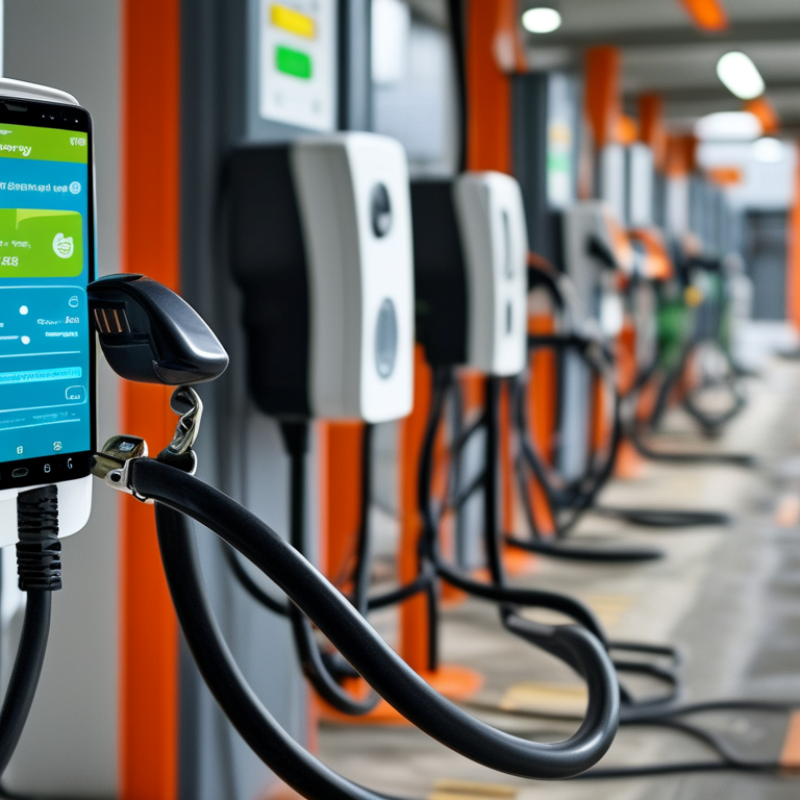
Top 10 Tips for Integrating AC Charging Software with Mobile Apps?

Understanding AC Charging Software: Key Components and Functionality

Understanding AC charging software is essential for effective integration with mobile apps. This software enables optimal communication between electric vehicles (EVs), charging stations, and mobile platforms. Key components include user authentication, real-time data processing, and payment processing. Each component plays a crucial role in creating a seamless charging experience for users.

When integrating AC charging software with mobile applications, consider the user interface. The interface needs to be intuitive and engaging. An excellent user experience can boost customer satisfaction. Don't overlook the importance of detailed analytics. This data can reveal user behavior and preferences. It helps refine both charging services and mobile app functionality.

Another tip is to ensure robust security measures. Protect user data against breaches. A secure system fosters trust and reliability among users. Don't forget to gather feedback after launch. Users may point out flaws that you missed. Continuous improvement is key to staying relevant in the fast-paced tech landscape.

Challenges in Integrating AC Charging Software with Mobile Applications

Integrating AC charging software with mobile applications presents various challenges. Developers often face compatibility issues between different software platforms. Because of this, seamless communication between the charging station and the mobile app can be problematic. Additionally, varied protocols used by different manufacturers can complicate integration efforts.

Data management poses another challenge. Managing real-time data from charging stations requires robust architecture. Without it, users may experience delays or inaccuracies in charging statuses. Furthermore, ensuring data privacy and security is essential, adding another layer of complexity. A solid understanding of mobile app frameworks and AC charging standards is necessary to navigate these hurdles effectively.

Testing and debugging the integrated system can be frustrating. Minor discrepancies may lead to significant issues, impacting user experiences. Depending solely on automated testing may not catch all problems. Regular user feedback is crucial for identifying pain points. Developers must remain open to continuous improvement and adapt as technology evolves, working diligently to resolve these integration challenges.

User Experience Best Practices for AC Charging Software Integration

Integrating AC charging software with mobile apps can significantly enhance user experience. A recent industry report indicates that 72% of users prefer apps that provide seamless charging management. Therefore, focusing on user-centric design is crucial.

Intuitive navigation is a key aspect of this integration. Apps should feature clear icons and concise labels. Users often abandon apps due to confusion. Reports show that 57% of users will stop using an app if it’s not user-friendly. Additionally, incorporating real-time data can make charging decisions simpler. Users benefit from features that show charging station availability.

Another important consideration is user feedback. Periodic surveys can help developers understand users’ needs. The integration process often lacks iterative testing. This oversight can lead to misaligned features. A study shows that 40% of apps fail due to poor user feedback loops. Streamlining communication between software and users can enhance satisfaction. Integrating these insights will ultimately create a more effective mobile experience.

Utilizing Industry Standards for Seamless AC Charging and Mobile Connectivity

Integrating AC charging software with mobile apps requires a solid understanding of industry standards. Utilizing protocols like OCPP (Open Charge Point Protocol) is essential for smooth connectivity. These standards ensure that communication between different systems is reliable and efficient. When developers adhere to these guidelines, the risk of software glitches decreases significantly. This creates a dependable user experience, fostering trust in the technology.

Moreover, ensuring compatibility with various mobile platforms is crucial. Not all devices support the same features. Testing across multiple devices helps identify potential integration issues. Developers should not overlook user feedback. Real-world use can unveil problems that theoretical testing cannot. Incorporating user input leads to timely updates and improvements, enhancing overall functionality. Balancing innovation with established protocols can be challenging but ultimately results in a more robust solution.

Top 10 Tips for Integrating AC Charging Software with Mobile Apps

Tip Number Tip Description Expected Outcome Industry Standard
1 Utilize Open Charge Point Protocol (OCPP) for communication. Improved compatibility with charging stations. OCPP
2 Integrate real-time charging status updates. Increased user satisfaction and engagement. ISO/IEC 15118
3 Implement user authentication for secure access. Enhanced security and user trust. OAuth 2.0
4 Use mobile-friendly interfaces for better usability. Higher app adoption rates. W3C Mobile Web Best Practices
5 Enable location services for finding nearby chargers. Improved user convenience. GPS Standards
6 Integrate payment processing through secure gateways. Streamlined payment experience. PCI DSS
7 Support multiple charging protocols for flexibility. Wider compatibility with different chargers. IEC 62196
8 Provide detailed user analytics for improved services. Better decision-making and service enhancement. GDPR Compliance
9 Facilitate customer support via in-app chats. Improved customer service responsiveness. WebRTC
10 Regularly update software to fix bugs and enhance features. Consistency in user experience and performance. Software Development Lifecycle (SDLC)

Measuring Success: Analytics and Performance Metrics in Integration Efforts

Integrating AC charging software with mobile apps requires careful planning. Understanding performance metrics is vital. Research shows that 65% of businesses prioritize analytics in their integration strategies. High-quality analytics can help companies gauge user engagement and operational efficiency. Combining this data with real-time performance indicators leads to better decision-making.

To measure success, track specific metrics such as user retention rate and session duration. For instance, a recent survey found that apps with superior user engagement saw a 30% increase in usage within three months. Identifying areas for improvement is crucial. In analyses, it’s common to encounter discrepancies in expected vs. actual performance. Continuous monitoring can help address these gaps promptly.

Tip: Establish clear KPIs at the beginning. This clarity helps orient development teams toward measurable goals. Another suggestion is leveraging A/B testing to optimize features. Data-driven decisions facilitate better user experiences, driving long-term engagement. Remember, the integration process itself should be flexible for adjustments based on analytical feedback.

FAQS

: What is the main purpose of

C charging software?

Why is user interface design important in AC charging apps?

A well-designed interface enhances user experience and boosts customer satisfaction.

How can analytics improve AC charging services?

Analytics reveal user behaviors and preferences, helping refine service and app functionality.

What should developers prioritize for user data protection?

Robust security measures are essential to protect user data from breaches and foster trust.

Why is user feedback important after launching a charging app?

Feedback can highlight flaws missed during development, leading to necessary improvements.

How does following industry standards benefit AC charging software?

Adhering to standards ensures reliable and efficient communication between systems, reducing glitches.

What challenges arise from integrating AC charging software across devices?

Different devices support varying features, leading to potential compatibility issues that must be tested.

How can continuous improvement impact AC charging services?

Ongoing changes based on user input keep services relevant in a fast-paced technology environment.

What role does testing play in AC charging app development?

Testing helps identify integration issues that theoretical analysis may overlook.

What is the tension developers face in charging software design?

Balancing innovation with established protocols can be difficult yet essential for robustness.

Conclusion

In the quest for effective solutions on how to integrate AC charging software with mobile apps, it is essential to first understand the key components and functionalities of AC charging software. Identifying the challenges faced during this integration, such as compatibility issues and data synchronization, is crucial. Furthermore, adhering to user experience best practices can enhance usability, ensuring that users can effortlessly manage charging sessions through their mobile devices.

Leveraging industry standards is another vital aspect for achieving seamless connectivity between AC charging software and mobile applications, allowing for a more intuitive user interface and reliable performance. Finally, measuring the success of these integration efforts can be accomplished through analytics and performance metrics, guiding continuous improvements and optimizing user satisfaction. This holistic approach will empower developers and businesses to create a more cohesive ecosystem for electric vehicle charging solutions.

Liam

Liam

Liam is a dedicated marketing professional with a profound expertise in the industry, where he excels at highlighting the unique advantages of our core products. With a keen understanding of market trends and consumer needs, Liam frequently updates our company’s professional blog, providing......