As electric vehicle (EV) adoption accelerates, managing charging infrastructure becomes vital. According to recent industry reports, the number of EVs is projected to reach 145 million globally by 2030. This surge demands efficient solutions for monitoring multiple AC charging units.
Understanding how to monitor multiple AC charging units remotely is crucial for optimizing performance and reducing downtime. A study by the International Energy Agency indicates that up to 30% of charging stations often experience issues that limit their availability. Implementing a reliable remote monitoring system can significantly enhance operational efficiency and user experience.
However, challenges persist. Many operators struggle with fragmented data sources and outdated technologies. Addressing these issues requires innovative approaches and a commitment to evolve with industry standards. A well-rounded strategy can turn these challenges into opportunities for improvement in service and reliability.
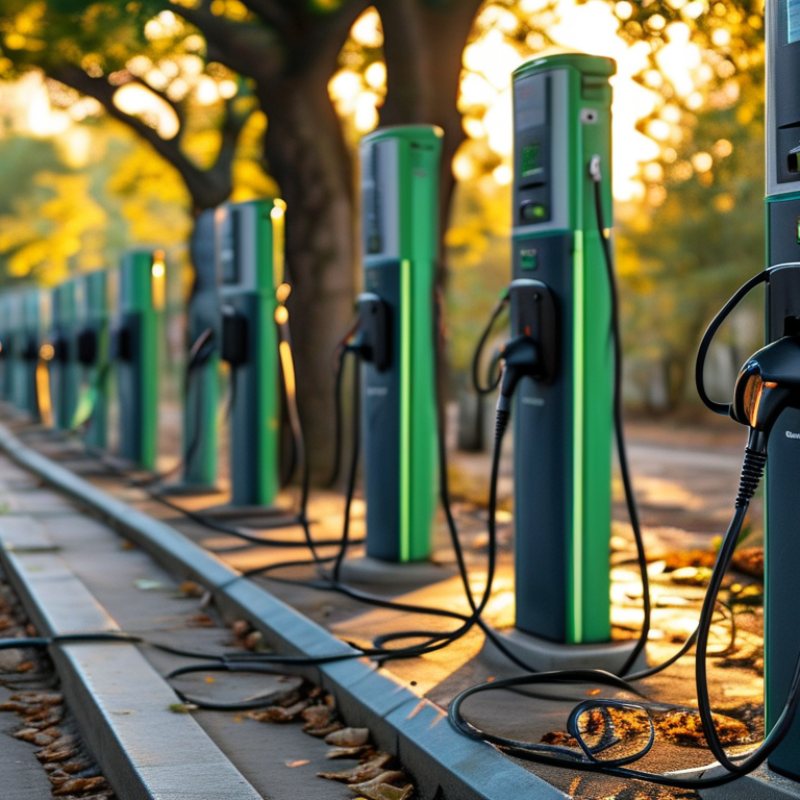
Remote monitoring of AC charging units is becoming increasingly essential as the electric vehicle market grows. Industry reports indicate that by 2025, the electric vehicle charging market will surpass $50 billion, highlighting the importance of efficient management of charging infrastructure. Understanding the basics of remote monitoring can enhance operational efficiency and reduce downtime.
Remote monitoring allows operators to track the performance of multiple charging stations in real-time. This includes monitoring charging speed, uptime, and energy consumption. According to recent findings, effective monitoring can reduce maintenance costs by up to 30%. Most monitoring systems employ IoT technology, enabling alerts for issues like overheating or connectivity failures. Yet, implementing these systems is not without challenges. Common concerns include data security and the need for reliable internet connections.
Effective remote monitoring relies heavily on user training and a well-designed dashboard interface. It must present data clearly, yet many solutions can overwhelm users with excessive data points. The key is to strike a balance. Systems should present actionable insights while avoiding information overload. Businesses must learn from their experiences in deploying these technologies to optimize operations and improve user engagement over time.
Effective remote monitoring of multiple AC charging units relies on key technologies that enhance efficiency and reliability. IoT (Internet of Things) devices play a crucial role here. They enable real-time data transmission from charging units to a centralized system. This setup allows operators to monitor performance metrics, energy consumption, and unit health. Wireless communication protocols such as LTE and Wi-Fi facilitate seamless connectivity.
For effective monitoring, implementing a robust data analytics framework is essential. Such a framework can analyze performance trends over time. By identifying patterns, operators can detect anomalies early. This proactive approach helps in preventing downtime and optimizing energy use. Keep in mind that data accuracy is paramount. Regular checks on data integrity ensure the system remains trustworthy.
- **Tip:** Consider using a dashboard that visualizes data effectively. A clear interface helps quick decision-making.
Remote monitoring systems are not immune to challenges. Connectivity issues can arise unexpectedly, leading to data loss. Operators need to have contingency plans, like backup communication methods. Staying updated with software and security patches is crucial to prevent vulnerabilities.
- **Tip:** Regularly review your monitoring strategies. Make adjustments based on evolving technologies and operational needs.
Setting up a remote monitoring system for multiple charging units can significantly enhance efficiency. Start by identifying the key parameters to monitor, such as energy consumption, charging speed, and equipment status. Utilize Ethernet or wireless technology for connectivity between units and the monitoring system. This ensures real-time data transmission and minimizes response time.
A user-friendly dashboard is essential. It should display real-time data and alerts for each charging unit. By visualizing metrics, users can quickly spot anomalies. However, there's a learning curve. Not all staff may adapt immediately to this new technology. Training sessions may be necessary to ensure everyone understands the system.
Finally, consider integrating data analytics tools. These can provide insights over time, tracking performance and usage trends. Regular assessments of the monitoring system are crucial. What works well today might not suit future needs. Staying flexible and open to adjustments will lead to a more robust monitoring solution.
Monitoring multiple AC charging units remotely can unlock significant operational advantages. By analyzing the data from these units, organizations can enhance efficiency and performance. However, there are challenges to consider. Data quality can vary, leading to potential misinterpretations.
Remote monitoring systems gather real-time data such as charging speed, unit status, and energy consumption. This information can pinpoint underperforming units and highlight peak usage times. Analyzing these patterns can help optimize charging schedules. However, the challenge is ensuring the accuracy of data. Inconsistent readings can mislead decision-making. Regular audits of the data source maintain reliability.
Beyond simple metrics, understanding user patterns is essential. Detailed reports can reveal user behaviors, helping companies adjust operations. Yet, it's crucial not to rely solely on automated analyses. Human oversight can offer insights that algorithms may miss. Balancing automated monitoring with expert interpretation leads to better overall performance.
When monitoring multiple AC charging units remotely, maintaining security is crucial. Effective security practices help protect sensitive data and ensure operational integrity. A multi-layered approach is essential.
One important practice is to use strong, unique passwords for every device. Regularly updating these passwords enhances security. Consider implementing two-factor authentication as an additional layer. This method adds an extra step, making unauthorized access more difficult.
Regularly monitoring your systems for unusual activity is another key practice. Utilize security alerts to inform you instantly of any issues. Ensure that software updates are performed promptly. These updates often contain important security patches.
Finally, have a clear protocol for data management. Limit access to sensitive information to only those who need it. Reviewing access logs regularly can help identify any unauthorized attempts. Creating backups of data can safeguard against data loss in case of a breach. These practices reinforce trust in your remote monitoring systems.
C charging units?
It reduces maintenance costs by up to 30%. Effective management is essential as the electric vehicle market expands.
IoT devices facilitate real-time data transmission. Wireless communication protocols like LTE and Wi-Fi ensure connectivity.
A strong data analytics framework detects performance trends. This approach identifies anomalies early and prevents downtime.
Challenges include data security and connectivity issues, which can lead to data loss. Contingency plans are vital.
Dashboards must present clear data. Too many details can overwhelm users. Focus on actionable insights.
Regular integrity checks are crucial. They help maintain system reliability and trustworthiness in the collected data.
Staying updated on software and security patches is crucial. It helps prevent vulnerabilities and maintain system performance.
Efficiently monitoring multiple AC charging units remotely is essential for optimizing performance and ensuring reliability. The article outlines how to monitor multiple AC charging units remotely by first understanding the foundational concepts of remote monitoring. Key technologies enable seamless integration and management of various charging stations, while a well-structured setup ensures that all units can be monitored effectively.
Additionally, analyzing data from remote monitoring enhances operational performance, allowing for timely maintenance and improved user experience. Best practices for maintaining security in these systems are crucial, safeguarding sensitive data and preventing unauthorized access. By following these guidelines, operators can maximize the efficiency and effectiveness of their remote monitoring efforts, ultimately benefiting the entire charging infrastructure.

Walnut Charger