
The shift toward commercial electric vehicle fleets demands more than simple power dispensing. It requires comprehensive, load-balanced, network-integrated infrastructure capable of meeting high utilization patterns and rigorous grid constraints.
Unlike personal transportation where vehicles sit idle for long intervals, commercial vehicle operations dictate relentless operational demands. Heavy-duty transit buses, logistics delivery trucks, municipal service networks, and ride-hailing fleets run on precise timetables. Every minute a commercial vehicle is disconnected from its route represents lost revenue. Therefore, fleet charging solutions must balance structural charging speed with battery life longevity and localized grid safety.
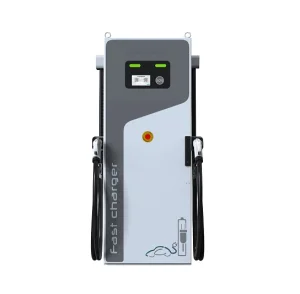
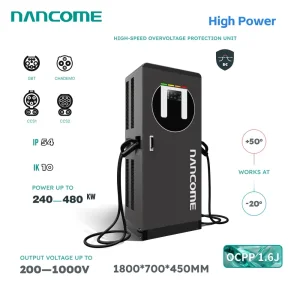
The contemporary paradigm in Commercial EV Charging Solutions points toward smart, network-controlled charging networks that continuously negotiate with local utilities. High-power DC fast-charging terminals (from 120kW up to 480kW) are combined with scalable Level 2 AC installations for overnight dwell times. This combination guarantees that the total cost of ownership (TCO) is kept to a minimum by avoiding steep dynamic demand fees during peak utility hours.
To operate a fleet charging station efficiently, operators look for software integration that connects telematics with hardware. Systems must communicate continuously via OCPP (Open Charge Point Protocol) to control and track charging sessions dynamically based on remaining route schedules.
Exploring the frontier of hardware development: from megawatt-scale depot designs to localized load management at the grid edge.
Modern commercial chargers feature Dynamic Load Balancing (DLB). This system allows multi-unit stations to coordinate power draws based on real-time grid conditions, avoiding penalties and maximizing capacity without expensive transformer upgrades.
Modular DC chargers employ swappable power modules. If one module experiences a fault, the cabinet isolates the module and redistributes the load across remaining modules, maintaining continuous charging availability.
Using OCPP 1.6J/2.0.1 protocols allows fleet operators to run diagnostic updates, monitor charging sessions, manage billing structures, and deploy energy commands remotely, regardless of geographical location.
| Charging Solution Category | Target Application Scenario | Key Technical Standard | Recommended Hardware Spec |
|---|---|---|---|
| Depot Heavy-Duty Fast DC | Transit Buses & Heavy Logistics | CCS2 / GBT, OCPP 2.0.1, V2G | 120kW to 480kW liquid-cooled split system |
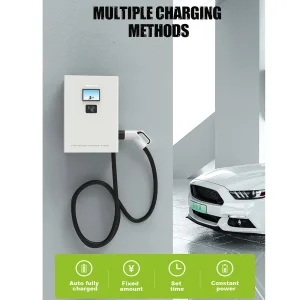
| Fleet Medium DC Charging | Last-mile logistics, fleet parking | CCS1 / CCS2 / GBT, IP54, IK10 | 30kW to 40kW wall-mounted DC fast chargers |
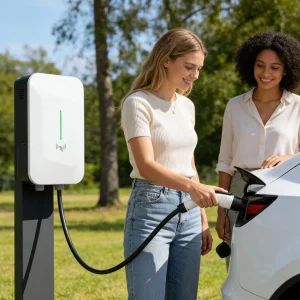
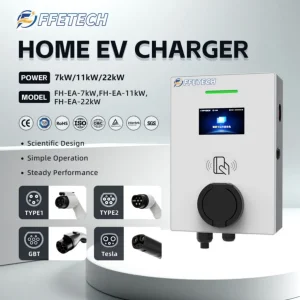
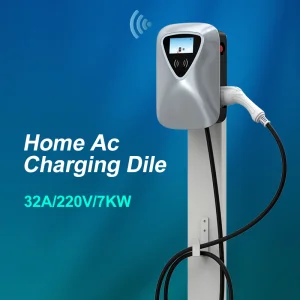
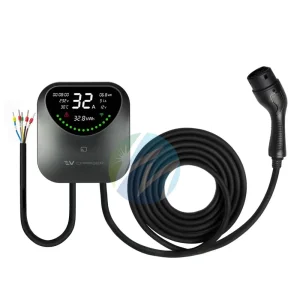
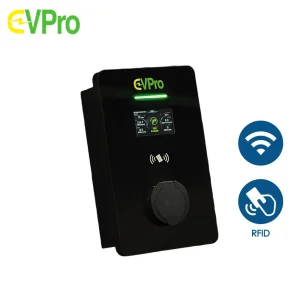
| Commercial Smart AC Wallbox | Overnight employee & ride-hail yards | Type 1 / Type 2, Dynamic Balancing | 7kW / 11kW / 22kW, RFID/App Authorization |
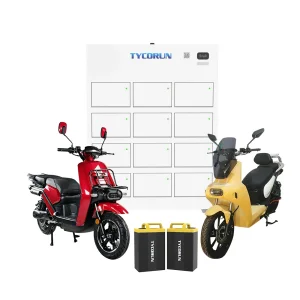
| Battery Swapping Systems | High-uptime taxis and delivery mopeds | Custom interface, automated cabinets | 12-to-30 bay smart cooling swapping systems |
Pioneering standard-compliant, smart AC and DC energy distribution stations designed to empower sustainable commercial mobility.
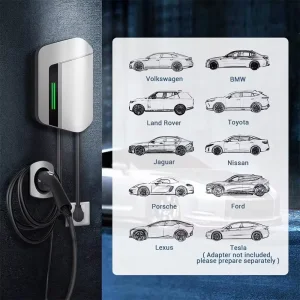
Foshan Walnut Charger Co., Ltd. is a leading manufacturer specializing in advanced AC EV charging solutions for both residential and commercial applications. With a focus on wall-mounted and floor-mounted chargers, the company provides a comprehensive range of smart charging products designed to meet the diverse needs of homeowners, businesses, and fleet operators.
The company’s product portfolio includes high-efficiency AC chargers equipped with intelligent power management systems, dual-port charging options, and real-time monitoring capabilities. By integrating cutting-edge technology, Foshan Walnut Charger ensures optimal charging performance, energy efficiency, and user-friendly operation for every installation.
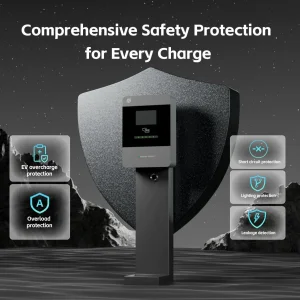
Committed to sustainable mobility, Foshan Walnut Charger emphasizes seamless integration of smart home and commercial energy systems. Its solutions support load balancing, remote management via mobile applications, and safety compliance with international standards, providing reliable and efficient charging for all electric vehicles.
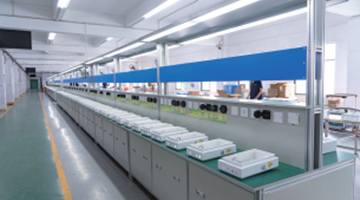
With strong R&D capabilities, rigorous quality control, and a customer-centric approach, Foshan Walnut Charger has established itself as a trusted partner in the EV charging industry. The company’s mission is to deliver innovative, safe, and energy-efficient charging solutions that empower customers to embrace electric mobility while optimizing energy use and reducing costs.
By using premium components and maintaining compliance with international standards such as CE, TUV, and RoHS, their chargers are designed for consistent operation in heavy-duty environments. This dedication to quality makes Walnut Charger a reliable partner for distributors, fleet operators, and engineering procurement contractors worldwide.
Why global procurement heads source EV fleet solutions from advanced manufacturing hubs in China.
China's Pearl River Delta region, particularly manufacturing hubs like Foshan, hosts a comprehensive ecosystem for electric vehicle supply equipment (EVSE). From raw materials to finished products, every stage of production is located in close proximity:
This localized supply chain allows manufacturers like AC Electric Vehicle Charger Manufacturers to respond quickly to custom inquiries, prototype fast, and maintain cost competitiveness compared to fragmented regional supply lines.
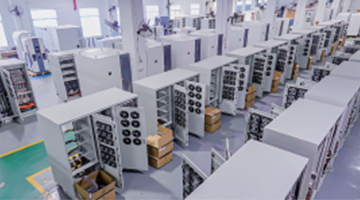
Under China's Factory 4.0 guidelines, production facilities feature automated assembly lines, robotic testing stations, and digital inventory systems. Every charging station undergoes real-time simulation testing under simulated grid loads before leaving the factory.
This quality control process helps ensure that charging stations perform reliably in harsh environments, from extreme cold-climate logistics depots to hot, humid bus hubs. This reliability helps operators minimize downtime and maintain consistent fleet performance.
Targeted structural setups designed to meet the operational demands of different commercial transit frameworks.
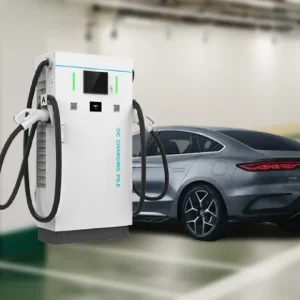
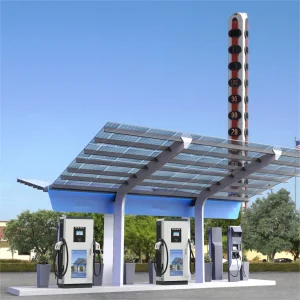
Equipped with high-power, multi-cable DC fast chargers (120kW-480kW), bus depots require overnight automated charging systems. Our chargers support sequential charging, powering multiple vehicles in sequence to optimize utility usage and lower peak demand charges.
Delivery fleets require quick mid-shift top-ups. Using 30kW-40kW wall-mounted DC fast chargers or 22kW smart AC charging stations with RFID authorization, drivers can quickly charge during cargo loading cycles.
Designed for fast driver turnover, ride-hailing charging hubs utilize app-integrated authorization systems. With clear status displays and fast-authorization protocols, vehicles charge efficiently to maximize active hours on the road.
Answers to technical and commercial questions about deploying commercial charging networks.
 Walnut Charger