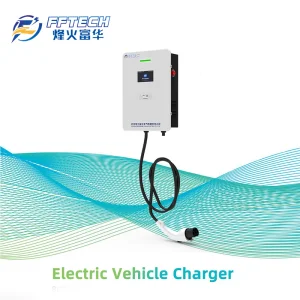
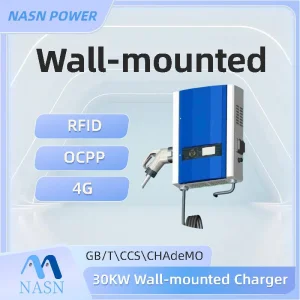
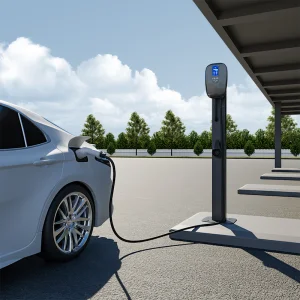
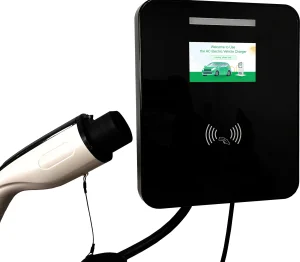
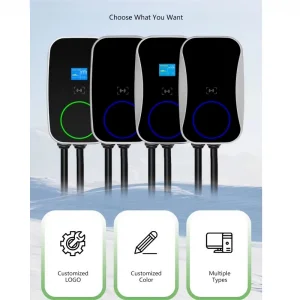
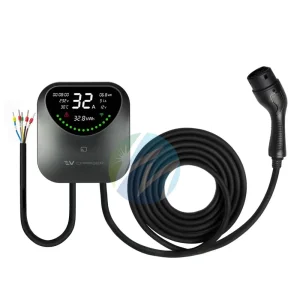
Explore our premium product portfolio designed for high efficiency, load-balanced operations, and cross-compatibility with global automotive standards.

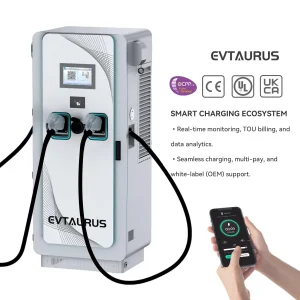
Foshan Walnut Charger Co., Ltd. is a leading manufacturer specializing in advanced AC EV charging solutions for both residential and commercial applications. With a focus on wall-mounted and floor-mounted chargers, the company provides a comprehensive range of smart charging products designed to meet the diverse needs of homeowners, businesses, and fleet operators.
By integrating cutting-edge technology, Foshan Walnut Charger ensures optimal charging performance, energy efficiency, and user-friendly operation for every installation. The company's mission is to deliver innovative, safe, and energy-efficient charging solutions that empower customers to embrace electric mobility while optimizing energy use and reducing costs.
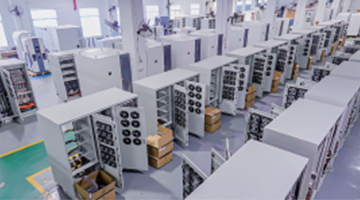
As the global transportation sector shifts toward electrification, static charging grids face mounting pressure. Grid capacity constraints, high peak demand fees, and spatial limitations in historical or high-density urban areas have driven the requirement for dynamic charging infrastructures. China's mobile EV charging stations and portable EVSE have transitioned from stopgap backup systems to core utilities for modern power management. By pairing high-density energy storage with mobile dispatch capabilities, Chinese manufacturers offer scalable, flexible options that complement static charging grids globally.
"The future of fleet and municipal logistics lies in mobile, high-density power delivery. Dynamic infrastructure reduces capital expenditure on grid upgrades by up to 40% while providing near-immediate charging scalability in under-served zones."
To scale electric mobility without destabilizing municipal electrical grids, industrial planners require diversified options. Standard fixed Level 2 AC chargers and DC ultra-fast chargers remain key pillars, but they lack flexibility. Mobile charging solutions fill these critical gaps:
By shifting the charging process off-peak or using integrated buffer batteries, operators can bypass expensive commercial demand fees during grid spikes.
Integrating battery-buffered mobile units enables peak-shaving, allowing depots to dispense energy collected during low-cost hours without high real-time draw from the grid.
Scaling up static infrastructure requires heavy capital expenditures for transformers. Mobile chargers offer step-by-step scaling options that can grow along with vehicle numbers.
Globally, logistics companies, urban micro-depots, and commercial developers face a major hurdle: the time required for grid upgrades. In Western Europe and North America, waiting times for high-power industrial grid connections can range from 12 to 36 months. Portable and battery-assisted mobile systems provide an immediate solution, allowing operators to run fleets while waiting for grid permits.

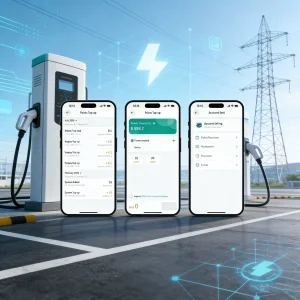
Committed to sustainable mobility, Foshan Walnut Charger emphasizes seamless integration of smart home and commercial energy systems. Its solutions support load balancing, remote management via mobile applications, and safety compliance with international standards, providing reliable and efficient charging for all electric vehicles.
With strong R&D capabilities, rigorous quality control, and a customer-centric approach, Foshan Walnut Charger has established itself as a trusted partner in the EV charging industry. By implementing smart software solutions like the Evpro platform, operators can monitor charging piles remotely, track energy consumption, manage user memberships, and update system profiles via OTA firmware updates.
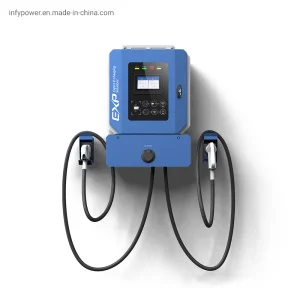
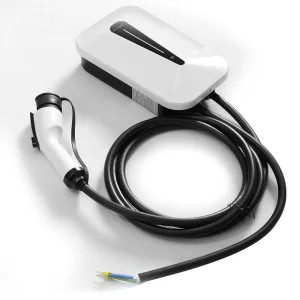
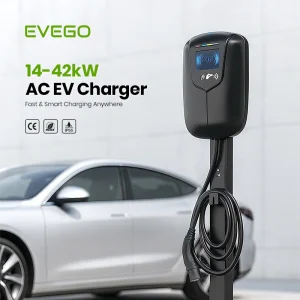
Discover our range of advanced wallboxes, dynamic load-balancing systems, and heavy-duty portable EV chargers designed for global compatibility.
To successfully market charging equipment internationally, manufacturers must comply with regional electrical safety standards and localized grid codes. In the EV charging market, this means adapting to complex certification regimes. Products manufactured by Foshan Walnut Charger comply with the following international frameworks:
Modern mobile and wall-mounted EVSE products are utilized in a variety of commercial and residential settings:
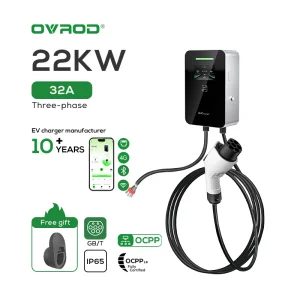
Deploying smart AC chargers like the 22kW three-phase wallbox with Dynamic Load Balancing (DLB) ensures vehicles are charged safely overnight without overloading the building's main breaker.
For operations using delivery vans or corporate fleets, high-output DC charging piles (80kW to 240kW) with CCS2 or GBT standards provide fast turnaround times, ensuring vehicles remain operational.
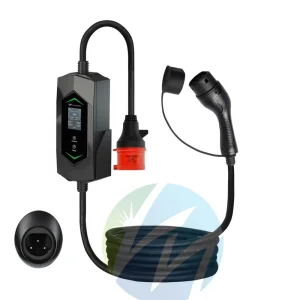
Mobile AC/DC chargers can be integrated into recovery vehicles to assist stranded EVs, providing enough charge to reach the nearest permanent station.
As the electric vehicle sector matures, charging technology is advancing rapidly. The transition from simple unidirectional energy delivery to bi-directional smart integration represents the next major phase of development:
Key technical insights regarding Chinese EV charging technology, import compliance, and operational setup.
 Walnut Charger