Premium intelligent AC Level 2 chargers customized for residential smart-homes, hybrid mini-grids, and commercial installations in Windhoek, Swakopmund, and Walvis Bay.
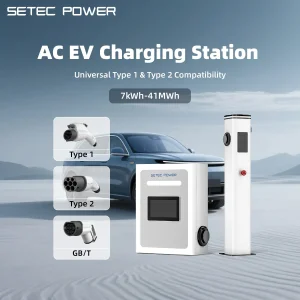
A technical analysis of smart residential AC charging deployment, solar PV integration, and local grid alignment for Namibian importers and fleet operators.
Namibia is positioned at a pivotal crossroads in the Southern African Development Community (SADC). Driven by the National Energy Policy, the Harambee Prosperity Plan II, and an urgent mandate to reduce reliance on fuel imports from South Africa, the adoption of battery electric vehicles (BEVs) is accelerating. However, local infrastructure operators face unique operational realities. The Namibian electrical distribution network, supervised by NamPower and regional electricity distributors (REDs) such as Erongo RED, CENORED, and NORED, requires localized technical solutions to protect the grid from phase imbalances and peak-load stress.
The vast majority of residential connections in suburban Windhoek, Swakopmund, and Walvis Bay operate on a standard single-phase 220V/240V 50Hz supply, capped at 40A to 60A main circuit breakers. Without intelligent load management, introducing a standard 7.4kW (32A) Level 2 EV charging station can load the household electrical supply to near capacity, risking frequent trips. Furthermore, Namibia's rural areas and commercial farms frequently rely on three-phase 380V/400V setups or micro-grids where load balancing is critical to maintain power quality.
With an average of over 300 sunny days per year and exceptional direct normal irradiance (DNI), Namibia boasts one of the highest solar energy potentials worldwide. Consequently, hybrid solar photovoltaic (PV) systems integrated with battery storage (such as lithium iron phosphate banks) have become standard configurations for modern residential properties, lodges, and commercial offices throughout the country.
Our line of AC Level 2 Home Chargers is engineered specifically to interface with domestic solar inverters via RS485 Modbus or dry-contact relays, enabling a seamless "Solar charging only" mode. By reading the real-time excess production from the PV arrays, the smart charger adjusts its output to ensure zero grid consumption. This solar matching algorithm operates with high precision, stepping down charging current dynamically to protect domestic storage batteries from premature degradation while maximizing solar self-consumption.

The Namibian environment presents extreme operational conditions. Coastal regions like Walvis Bay and Swakopmund suffer from highly corrosive saline humidity, whereas the inland Kalahari and Namib deserts subject equipment to fine dust, sandstorms, and ambient temperatures exceeding 45°C. Electronic components deployed outdoors must meet stringent physical demands:
The table below summarizes our technical baseline configurations, matching the common electrical infrastructures of residential and light-commercial grids across Southern Africa.
| Parameter | Single-Phase Residential | Three-Phase Commercial / Luxury Home |
|---|---|---|
| Rated Input/Output Voltage | 220V / 230V / 240V AC (±20% Tolerance) | 380V / 400V / 415V AC (3-Phase + Neutral + PE) |
| Charging Current Range | 6A to 32A (Adjustable via App / RFID) | 16A to 32A (Adjustable via Modbus / App) |
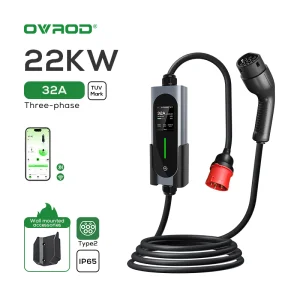
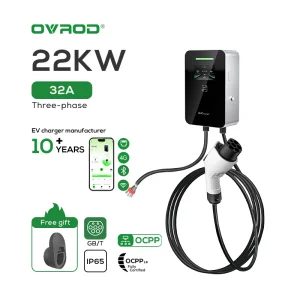
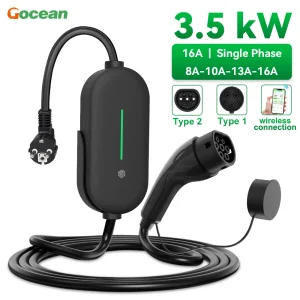
| Power Output Ratings | 3.5 kW (16A) / 7.4 kW (32A) | 11 kW (3-Phase 16A) / 22 kW (3-Phase 32A) |
| Leakage Protection | Built-in Type A 30mA RCD + 6mA DC Sensor | Built-in Type A 30mA RCD + 6mA DC Sensor |
| Ingress / Impact Ratings | IP54 / IP65 enclosure options; IK10 | IP54 / IP65 enclosure options; IK10 |
| Connectivity Protocol | OCPP 1.6 JSON (Upgradeable to OCPP 2.0.1) | OCPP 1.6 JSON / Modbus TCP / Ethernet / 4G LTE |
Namibia relies heavily on South African National Standards (SANS) for its electrical installation frameworks. Specifically, compliance with SANS 10142-1 (The wiring of premises - Part 1: Low-voltage installations) is a prerequisite for issuing a Certificate of Compliance (CoC) upon EVSE installation. Our production facility ensures all exported units adhere to these standards, incorporating built-in protective devices that eliminate the need for expensive external components:
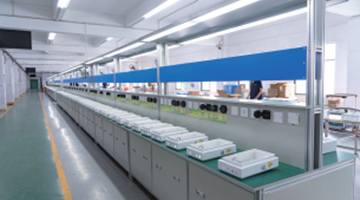
Foshan Walnut Charger Co., Ltd. works closely with Namibian freight forwarders to optimize the logistics corridor from the Port of Nansha/Foshan to the Port of Walvis Bay. Under current SACU (Southern African Customs Union) regulations, import documentation must detail tariff codes correctly to avoid unnecessary delays. We provide fully cleared documentation, including custom HS Code labeling (8504.40 - Static Converters/Chargers) to expedite clearance and ensure competitive landed costs for wholesale buyers.
Explore our complete commercial-grade and residential AC Level 2 charger inventory. All items can be customized with OEM branding and local communication parameters.
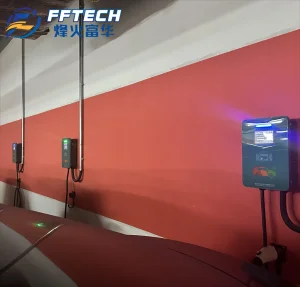
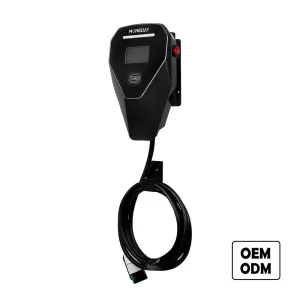
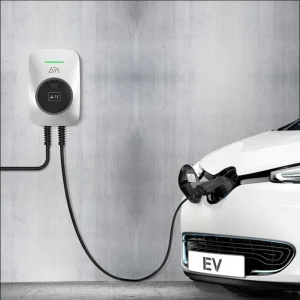
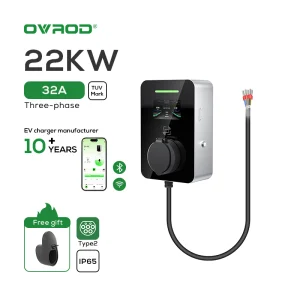
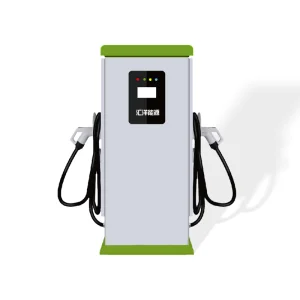
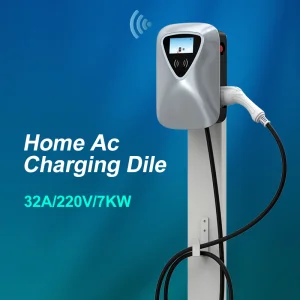

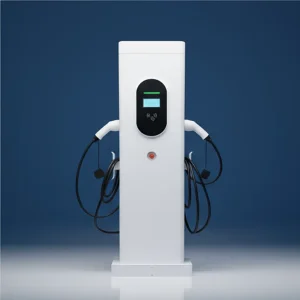
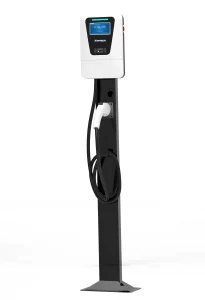
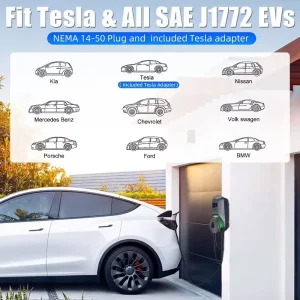
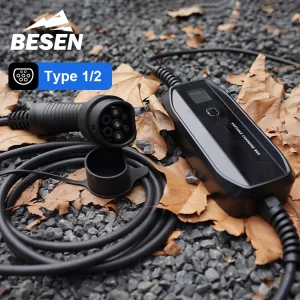
Foshan Walnut Charger Co., Ltd. is a leading manufacturer specializing in advanced AC EV charging solutions for both residential and commercial applications. With a focus on wall-mounted and floor-mounted chargers, the company provides a comprehensive range of smart charging products designed to meet the diverse needs of homeowners, businesses, and fleet operators.
Our product portfolio includes high-efficiency AC chargers equipped with intelligent power management systems, dual-port charging options, and real-time monitoring capabilities. By integrating cutting-edge technology, Foshan Walnut Charger ensures optimal charging performance, energy efficiency, and user-friendly operation for every installation. All components undergo extensive factory testing, simulating grid fluctuations and extreme temperatures to ensure stable performance upon local deployment.
Committed to sustainable mobility, Foshan Walnut Charger emphasizes seamless integration of smart home and commercial energy systems. Our solutions support load balancing, remote management via mobile applications, and safety compliance with international standards, providing reliable and efficient charging for all electric vehicles. Whether importing for wholesale distribution in Namibia or deploying local infrastructure networks, our technical support division provides engineering assistance, branding options, and firmware adjustments to ensure a successful integration.
Expert answers addressing infrastructure compatibility, grid safety, and importing procedures for Namibian electrical engineering and distribution teams.
A: Yes. All of our exported units are designed in accordance with SANS 10142-1 standard guidelines. Our chargers include integrated Type A RCDs (30mA AC) and built-in DC leakage sensors (6mA DC). This setup eliminates the need for expensive Type B RCD switches in the home distribution board, allowing local electricians to perform code-compliant installations quickly and cost-effectively.
A: Yes, they are compatible. Our smart EV chargers support RS485 Modbus RTU communication protocols, allowing them to interface with popular hybrid solar inverters used in Namibia. By deploying an external smart meter, the charger reads excess solar power and dynamically matches charging currents, ensuring zero export to the grid and zero grid draw during EV charging cycles.
A: Our premium enclosures feature IP65 protection, preventing dust ingress in desert climates. Our internal thermal architecture utilizes optimized convective airflow and high-temperature-rated microprocessors. While standard chargers scale down power at 40°C, our units maintain steady output up to 50°C without thermal shut-offs, ensuring reliability in regions such as Walvis Bay or Erongo.
A: Wholesale orders are shipped from Nansha or Shenzhen ports directly to the Port of Walvis Bay. Ocean freight takes approximately 25 to 30 days. From Walvis Bay, cargo is transported via the Trans-Kalahari or Trans-Kunene highway network directly to Windhoek warehouses. All units are shipped in high-density export packaging with comprehensive customs document support.
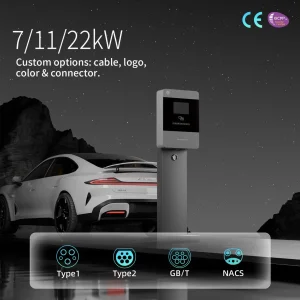
A: Absolutely. Our chargers fully support international charging protocols, including Type 2 (IEC 62196-2) sockets and tethered cables, which are the standard for European and South African specification vehicles like the BYD Shark, BMW iX, Volvo EX30, and Audi e-tron imported to Namibia. We also supply CCS2-to-Type 2 adapters and GBT/NACS configurations depending on your requirements.
 Walnut Charger